
sam khan

Road Test Anxiety Is Real: Proven Psychological Techniques to Stay Calm During Your Driving Test

Test anxiety affects thousands of drivers preparing for their road test near me every single day. Your palms sweat. Your heart races. Your mind goes blank at the worst possible moment during the examination. Understanding why this happens and learning proven psychological techniques can transform your testing experience from overwhelming to manageable. Why Road Test Anxiety Happens Your brain perceives the driving examination as a high-stakes situation. The amygdala triggers your fight-or-flight response even though you’re simply demonstrating skills you’ve already practiced dozens of times. This physiological reaction intensifies when you’re scheduling a same day road test without adequate mental preparation. Your nervous system doesn’t distinguish between actual danger and perceived pressure from evaluation scenarios. Many test-takers who receive a failed road test receipt discover their anxiety caused simple mistakes they never make during regular practice. The psychological component of driving tests often matters more than actual driving competency. Understanding the Mind-Body Connection During Testing Anxiety manifests physically through increased cortisol levels and adrenaline production. These stress hormones affect your fine motor skills and decision-making abilities during your road test near me. Your breathing becomes shallow. Your muscles tense up. Your visual field narrows as tunnel vision sets in during critical moments. Recognizing these physical symptoms before your Illinois road test helps you implement countermeasures before anxiety escalates into full panic mode. Technique One: Progressive Muscle Relaxation Start this technique 15 minutes before your scheduled road test near me appointment. Systematically tense and release each muscle group, starting from your toes, moving upward to your head. Hold each muscle contraction for five seconds, then release completely for ten seconds. This practice teaches your body to recognize the difference between tension and relaxation states. Many drivers preparing for their Illinois road test practice this technique daily for two weeks before testing. The familiarity with the relaxation response makes it easier to trigger during actual examination conditions. Technique Two: Box Breathing for Immediate Calm Box breathing represents one of the most effective techniques for managing same-day road test anxiety. This method, used by military personnel and emergency responders, works by regulating your autonomic nervous system. Inhale slowly for four counts. Hold your breath for four counts. Exhale completely for four counts. Hold empty lungs for four counts. Repeat this cycle five times before starting your vehicle. Practice box breathing while studying for your Illinois rules of the road practice test. This creates a neural association between calm breathing and driving-related activities. Technique Three: Cognitive Reframing Strategies Your internal dialogue dramatically impacts performance during your road test near me. Replace catastrophic thinking with a realistic assessment of the situation. Instead of thinking “I’ll fail and everyone will judge me,” reframe to “This is one attempt, and I can reschedule if needed.” This shift reduces the perceived stakes of the examination. Drivers who receive a failed road test receipt often realize their negative self-talk created a self-fulfilling prophecy. Your examiner evaluates your driving skills, not your worth as a person. Technique Four: Visualization and Mental Rehearsal Spend 10 minutes daily visualizing yourself successfully completing your Illinois road test. Imagine each maneuver executed perfectly while feeling calm and confident. Mental rehearsal activates the same neural pathways as physical practice. Your brain doesn’t fully distinguish between vividly imagined experiences and actual events. Include sensory details in your visualization. Feel the steering wheel. See the road ahead. Hear the examiner’s instructions delivered in a neutral tone. Technique Five: Anchoring Calm States Create a physical anchor that triggers relaxation during your road test near me. This might be pressing your thumb and forefinger together or touching a specific object like your seatbelt buckle. Pair this physical gesture with your relaxation techniques during practice sessions. Eventually, the anchor alone can trigger a calm state through classical conditioning. Many successful test-takers preparing for a same day road test use their anchor gesture repeatedly before and during the examination to maintain composure. Practical Preparation Reduces Anxiety Familiarity with the testing route near your road test near me decreases anxiety significantly. Practice in the exact area where your examination will occur. Complete multiple Illinois rules of the road practice test sessions until the material becomes second nature. Confidence in your knowledge reduces one major anxiety trigger. Schedule your road test near me during times when you typically feel most alert and calm. Avoid booking a same day road test when you’re already stressed or sleep-deprived. The Day Before Your Illinois Road Test Avoid cramming or excessive practice the day before your scheduled road test near my appointment. Your skills are already developed, and additional pressure creates unnecessary stress. Engage in relaxing activities that distract your mind from testing worries. Watch a favorite movie or spend time with supportive friends who boost your confidence. Prepare everything you need the night before, including documents and identification. Eliminating morning chaos prevents anxiety from building before you even arrive. What to Do If You Receive a Failed Road Test Receipt Remember that many excellent drivers don’t pass on their first attempt. Receiving a failed road test receipt doesn’t indicate permanent inability or lack of talent. Review the specific areas marked for improvement on your failed road test receipt. Focus your additional practice on these precise skills rather than generalizing your performance as completely inadequate. Schedule your next Illinois road test once you’ve addressed the identified issues. Most drivers who fail once pass confidently on their second attempt after targeted practice. Morning of Your Road Test Near Me Eat a balanced breakfast with protein to stabilize blood sugar and support sustained focus. Avoid excessive caffeine, which can amplify anxiety symptoms and increase shakiness. Arrive 15 minutes early for your road test near my location. This buffer time lets you practice breathing techniques and mental preparation without rushing. Use your practiced psychological techniques before entering the vehicle. Remember that some nervousness is normal and actually enhances performance through increased alertness. Take Control of Your Testing Success Today Implementing these proven psychological techniques transforms road test anxiety from
Road Test Anxiety Is Real: Proven Psychological Techniques to Stay Calm During Your Driving Test Read More »

Automatic vs Manual Driving Lessons: Which One Should New Drivers Learn First in 2026?

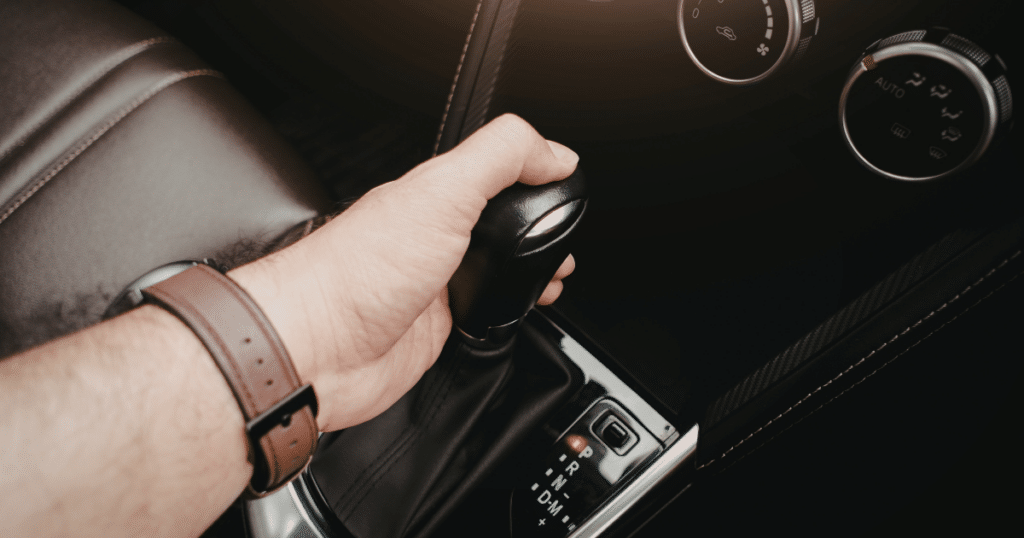
Automatic vs Manual Driving Lessons: Which One Should New Drivers Learn First in 2026? Choosing between automatic vs manual driving lessons represents one of the most important decisions new drivers face in 2026. The debate between manual vs automatic transmission continues to shape how people learn to drive across the United States and beyond. This comprehensive guide breaks down everything you need to know about automatic car vs manual options to help you make the smartest choice for your driving future. Understanding the Automatic vs Manual Debate in 2026 The landscape of driver education has shifted dramatically in recent years. When comparing manual gearbox vs automatic systems today you’re looking at vastly different learning experiences and long-term implications. Automatic transmissions now dominate the American automotive market. Recent data shows that over 96% of new vehicles sold in the United States feature automatic transmission systems. This shift has transformed driving schools and licensing requirements across the country. Manual transmissions remain common in certain sectors including commercial vehicles and performance cars. Understanding both systems gives drivers flexibility and enhanced job opportunities in specific industries. Why New Drivers Choose Automatic Transmission Lessons Learning to drive an automatic car vs manual offers distinct advantages for beginners in 2026. Automatic vehicles eliminate the coordination challenge of operating a clutch pedal and gear stick simultaneously. New drivers can focus entirely on road awareness and traffic navigation without managing gear changes. This reduced cognitive load helps students develop safer driving habits during their initial learning phase. Automatic transmission lessons typically require fewer hours to achieve competency. Students often pass their driving tests faster when learning on automatic vehicles compared to manual alternatives. The availability of automatic vehicles for practice and testing has increased substantially. Most driving schools now maintain fleets primarily composed of automatic transmission cars to meet student demand. The Case for Learning Manual Transmission First Despite the prevalence of automatic vehicles some driving instructors still advocate for manual vs automatic car training that begins with manual transmission skills. Learning manual gearbox vs automatic operation first builds a deeper understanding of vehicle mechanics and control. Drivers who master manual transmissions typically find transitioning to automatic vehicles effortless. Manual transmission skills open doors to a broader range of vehicle options worldwide. Many countries outside the United States still predominantly use manual cars making this knowledge valuable for international drivers. Certain employment opportunities require manual transmission proficiency. Truck driving positions and specialized vehicle operation roles often mandate manual driving capabilities. Manual car vs automatic handling provides better engine braking control on steep descents. This advantage matters for drivers who frequently navigate mountainous terrain or towing scenarios. Licensing Restrictions and Future Considerations Understanding licensing implications forms a critical part of the automatic vs manual decision. In the United Kingdom and several other countries obtaining a license on an automatic vehicle restricts drivers to automatic-only operation. The United States does not impose such restrictions. American drivers licensed on automatic vehicles can legally operate manual transmission cars without additional testing or certification. Consider your long-term driving goals before committing to either path. If you plan to drive internationally or pursue careers requiring manual transmission skills starting with manual training makes strategic sense. The electric vehicle revolution adds another dimension to this discussion. Most electric vehicles operate similarly to automatic transmission cars with single-speed reduction gears that eliminate traditional shifting entirely. Cost Comparison Between Automatic and Manual Lessons Budget considerations influence many students choosing between manual vs automatic transmission instruction. Manual transmission lessons often cost slightly less due to lower vehicle maintenance and insurance expenses. The price difference has narrowed considerably in 2026 as automatic vehicles become standard equipment. Most driving schools now charge comparable rates for both transmission types. Insurance costs for newly licensed drivers can vary based on the vehicle type they drive. Automatic transmission vehicles sometimes carry higher insurance premiums though this varies by location and provider. Making Your Decision: Practical Recommendations for 2026 Evaluate your specific circumstances before deciding between automatic car vs manual instruction. Consider the primary vehicle you’ll drive after obtaining your license. If your family owns an automatic vehicle and you’ll primarily drive in urban areas automatic training makes practical sense. City driving with heavy stop-and-go traffic heavily favors automatic transmission operation. Students planning to drive commercially or work in industries requiring manual transmission expertise should prioritize manual skills. The investment in manual car vs automatic training pays dividends in career flexibility. Test drive both transmission types before committing to lessons. Many driving schools offer introductory sessions that let prospective students experience both manual gearbox vs automatic handling. Consider learning manual transmission first even if you expect to drive automatic vehicles long-term. The additional skills provide valuable knowledge about vehicle operation and mechanical principles. Ready to Start Your Driving Journey? The choice between automatic vs manual driving lessons depends entirely on your personal goals and circumstances. Both paths lead to safe and competent driving when approached with dedication and proper instruction. Contact My Drive Academy today to discuss your options and schedule your first lesson. The right transmission choice combined with quality instruction sets the foundation for a lifetime of confident driving. Frequently Asked Questions Is it harder to learn manual or automatic transmission? Manual transmission requires more coordination and practice time compared to automatic. Most students need 10-15 additional hours of instruction to master manual gear shifting and clutch control. Automatic transmission allows new drivers to focus on road rules and traffic awareness without managing gear changes. Can I drive a manual car if I learned on automatic in the USA? Yes. The United States does not restrict drivers based on the transmission type used during testing. American drivers licensed on automatic vehicles can legally operate manual transmission cars though additional practice is strongly recommended before driving manual vehicles independently. Which transmission type is better for fuel efficiency in 2026? Modern automatic transmissions now match or exceed manual transmission fuel efficiency. Advanced automatic systems with 8-10 speeds and continuously variable transmissions (CVTs) optimize

Automatic vs Manual Driving Lessons: Which One Should New Drivers Learn First in 2026? Read More »