
Automatic vs Manual Driving Lessons: Which One Should New Drivers Learn First in 2026?
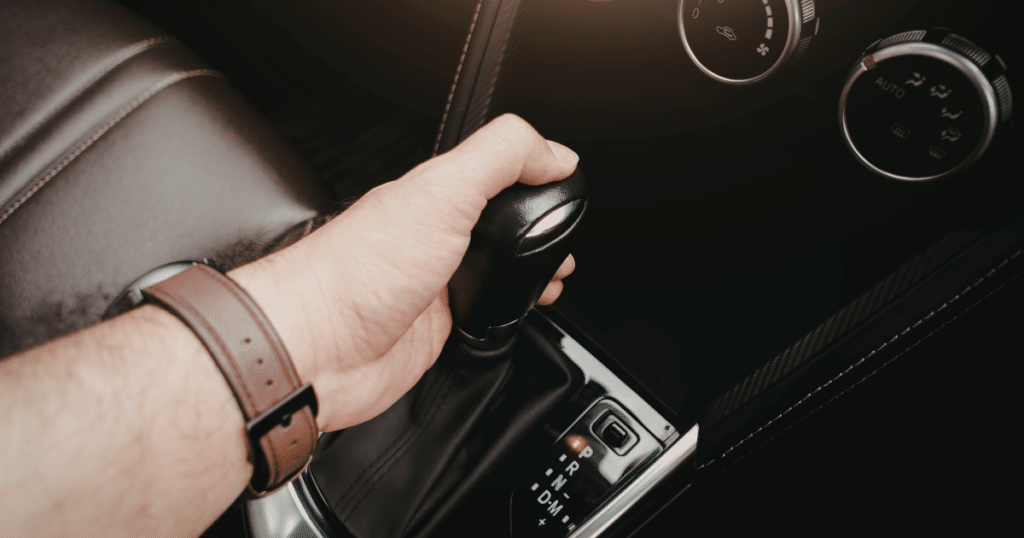
Choosing between automatic vs manual driving lessons represents one of the most important decisions new drivers face in 2026. The debate between manual vs automatic transmission continues to shape how people learn to drive across the United States and beyond.
This comprehensive guide breaks down everything you need to know about automatic car vs manual options to help you make the smartest choice for your driving future.
Understanding the Automatic vs Manual Debate in 2026
The landscape of driver education has shifted dramatically in recent years. When comparing manual gearbox vs automatic systems today you’re looking at vastly different learning experiences and long-term implications.
Automatic transmissions now dominate the American automotive market. Recent data shows that over 96% of new vehicles sold in the United States feature automatic transmission systems. This shift has transformed driving schools and licensing requirements across the country.
Manual transmissions remain common in certain sectors including commercial vehicles and performance cars. Understanding both systems gives drivers flexibility and enhanced job opportunities in specific industries.
Why New Drivers Choose Automatic Transmission Lessons
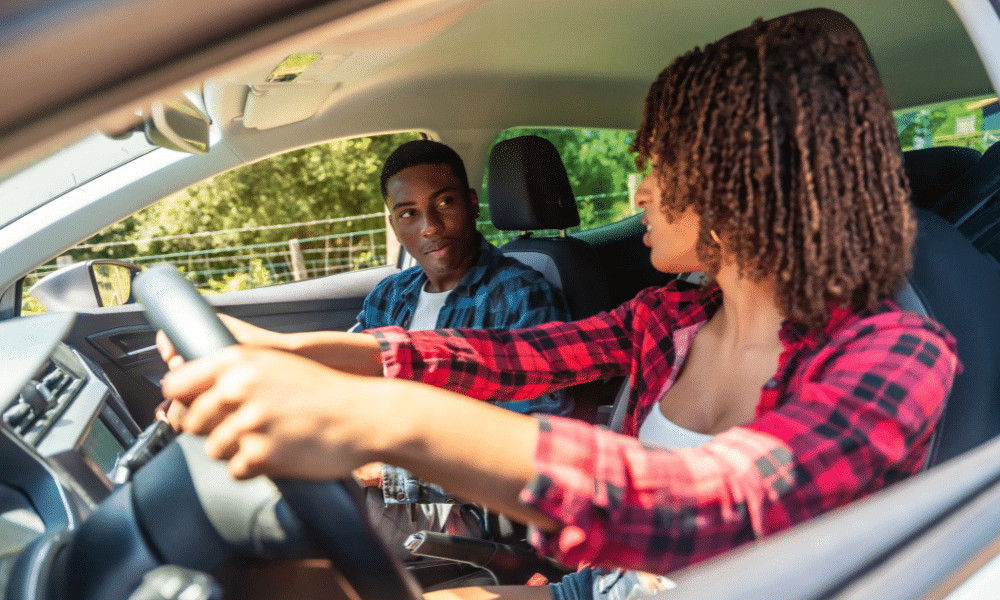
Learning to drive an automatic car vs manual offers distinct advantages for beginners in 2026. Automatic vehicles eliminate the coordination challenge of operating a clutch pedal and gear stick simultaneously.
New drivers can focus entirely on road awareness and traffic navigation without managing gear changes. This reduced cognitive load helps students develop safer driving habits during their initial learning phase.
Automatic transmission lessons typically require fewer hours to achieve competency. Students often pass their driving tests faster when learning on automatic vehicles compared to manual alternatives.
The availability of automatic vehicles for practice and testing has increased substantially. Most driving schools now maintain fleets primarily composed of automatic transmission cars to meet student demand.
The Case for Learning Manual Transmission First
Despite the prevalence of automatic vehicles some driving instructors still advocate for manual vs automatic car training that begins with manual transmission skills.
Learning manual gearbox vs automatic operation first builds a deeper understanding of vehicle mechanics and control. Drivers who master manual transmissions typically find transitioning to automatic vehicles effortless.
Manual transmission skills open doors to a broader range of vehicle options worldwide. Many countries outside the United States still predominantly use manual cars making this knowledge valuable for international drivers.
Certain employment opportunities require manual transmission proficiency. Truck driving positions and specialized vehicle operation roles often mandate manual driving capabilities.
Manual car vs automatic handling provides better engine braking control on steep descents. This advantage matters for drivers who frequently navigate mountainous terrain or towing scenarios.
Licensing Restrictions and Future Considerations
Understanding licensing implications forms a critical part of the automatic vs manual decision. In the United Kingdom and several other countries obtaining a license on an automatic vehicle restricts drivers to automatic-only operation.
The United States does not impose such restrictions. American drivers licensed on automatic vehicles can legally operate manual transmission cars without additional testing or certification.
Consider your long-term driving goals before committing to either path. If you plan to drive internationally or pursue careers requiring manual transmission skills starting with manual training makes strategic sense.
The electric vehicle revolution adds another dimension to this discussion. Most electric vehicles operate similarly to automatic transmission cars with single-speed reduction gears that eliminate traditional shifting entirely.
Cost Comparison Between Automatic and Manual Lessons
Budget considerations influence many students choosing between manual vs automatic transmission instruction. Manual transmission lessons often cost slightly less due to lower vehicle maintenance and insurance expenses.
The price difference has narrowed considerably in 2026 as automatic vehicles become standard equipment. Most driving schools now charge comparable rates for both transmission types.
Insurance costs for newly licensed drivers can vary based on the vehicle type they drive. Automatic transmission vehicles sometimes carry higher insurance premiums though this varies by location and provider.
Making Your Decision: Practical Recommendations for 2026
Evaluate your specific circumstances before deciding between automatic car vs manual instruction. Consider the primary vehicle you’ll drive after obtaining your license.
If your family owns an automatic vehicle and you’ll primarily drive in urban areas automatic training makes practical sense. City driving with heavy stop-and-go traffic heavily favors automatic transmission operation.
Students planning to drive commercially or work in industries requiring manual transmission expertise should prioritize manual skills. The investment in manual car vs automatic training pays dividends in career flexibility.
Test drive both transmission types before committing to lessons. Many driving schools offer introductory sessions that let prospective students experience both manual gearbox vs automatic handling.
Consider learning manual transmission first even if you expect to drive automatic vehicles long-term. The additional skills provide valuable knowledge about vehicle operation and mechanical principles.
Ready to Start Your Driving Journey?
The choice between automatic vs manual driving lessons depends entirely on your personal goals and circumstances. Both paths lead to safe and competent driving when approached with dedication and proper instruction.
Contact My Drive Academy today to discuss your options and schedule your first lesson. The right transmission choice combined with quality instruction sets the foundation for a lifetime of confident driving.
Frequently Asked Questions
Is it harder to learn manual or automatic transmission?
Manual transmission requires more coordination and practice time compared to automatic. Most students need 10-15 additional hours of instruction to master manual gear shifting and clutch control. Automatic transmission allows new drivers to focus on road rules and traffic awareness without managing gear changes.
Can I drive a manual car if I learned on automatic in the USA?
Yes. The United States does not restrict drivers based on the transmission type used during testing. American drivers licensed on automatic vehicles can legally operate manual transmission cars though additional practice is strongly recommended before driving manual vehicles independently.
Which transmission type is better for fuel efficiency in 2026?
Modern automatic transmissions now match or exceed manual transmission fuel efficiency. Advanced automatic systems with 8-10 speeds and continuously variable transmissions (CVTs) optimize fuel consumption better than most manual drivers can achieve through manual gear selection.
Will manual transmission skills become obsolete?
Manual transmissions are declining in consumer vehicles but remain essential in commercial trucking and specialized industries. Learning manual skills provides career advantages and international driving flexibility though most personal vehicles will likely be automatic or electric within the next decade.
How much more expensive are automatic driving lessons compared to manual?
Pricing differences have largely disappeared in 2026. Most driving schools charge $50-$80 per hour regardless of transmission type. Total course costs range from $400-$1200 depending on location and required hours with minimal price variation between automatic and manual instruction packages.