
Driver’s Education

Understanding the Illinois Plate Renewal Process

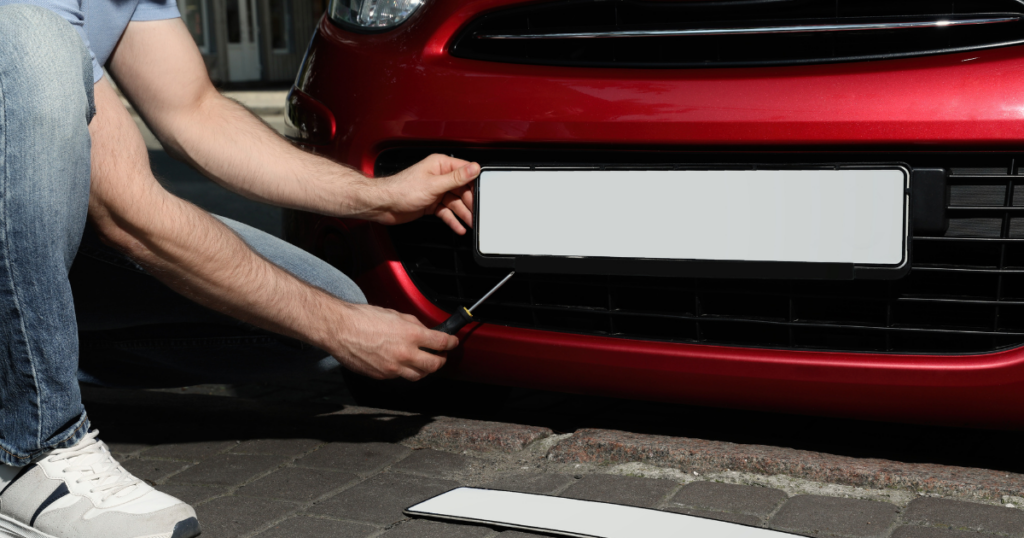
Understanding the Illinois Plate Renewal Process Navigating vehicle registration requirements in Illinois can feel overwhelming for many drivers. The Chicago license plate renewal process is essential for keeping your vehicle legally registered and avoiding penalties. This comprehensive guide walks you through everything you need to know about renewing your vehicle plates in the Windy City. Why Vehicle Plate Renewal Matters Driving with expired license plates can result in hefty fines and potential vehicle impoundment. The city of Chicago’s license plate sticker renewal ensures your vehicle remains compliant with state and local regulations. Every vehicle owner must complete this process before their current registration expires. Illinois law requires all vehicle owners to display valid registration stickers on their license plates. Missing the deadline can lead to traffic citations that add unnecessary expenses to your budget. Understanding the Chicago license plate renewal timeline helps you stay ahead of these requirements. When to Start Your Renewal Process Most Illinois vehicle registrations expire on the last day of the month indicated on your current sticker. You can begin the city of Chicago license plate sticker renewal process before your expiration date. Starting early gives you plenty of time to gather necessary documents and complete the process without stress. Setting a reminder on your phone or calendar about 60 days before expiration is a smart strategy. This buffer period ensures you can handle any unexpected delays or documentation issues. Many Chicago residents find that early renewal prevents last-minute panic and potential late fees. Documents You Need for Renewal Before you start to renew the Chicago license plate sticker requirements, you should gather specific documents. You will need your current vehicle registration card and proof of insurance that meets Illinois minimum coverage requirements. Having your vehicle identification number readily available speeds up the process significantly. If your address has changed since your last renewal,l you must update this information during the Chicago renew plate sticker process. Proof of residency, such as utility bills or lease agreements, may be required. Make sure all documents show your current legal name to avoid processing delays. Online Renewal Options The most convenient way to complete your Chicago license plate renewal is through the Illinois Secretary of State website. Online renewal takes just a few minutes and accepts major credit cards and electronic checks. You can access the system 24 hours a day, which means no waiting in line at busy government offices. After submitting your online renewal for the city of Chicago license plate sticker renewal, you will receive confirmation immediately. Your new sticker typically arrives by mail within 7 to 10 business days. Keep your confirmation number until your physical sticker arrives for your records. In-Person Renewal Locations Some situations require in-person visits to complete your renewal. You can renew Chicago license plate sticker at any Illinois Secretary of State facility throughout the city. Currency exchanges and participating retail locations also offer renewal services with extended hours. When visiting a facility in person, bring all required documents and acceptable payment methods. Many locations accept cash and credit card,s but some may have specific payment restrictions. Calling ahead to confirm accepted payment types saves time and frustration. Renewal Fees and Payment Methods The cost to renew a Chicago license plate sticker varies based on your vehicle type and weight. Passenger vehicles typically pay a standard registration fee plus any applicable local taxes. Electric and hybrid vehicles may have different fee structures under current Illinois regulations. Payment options include credit cards and debit cards, along with electronic checks for online renewals. In-person locations may also accept money orders and personal checks. Always verify the total amount due before submitting payment to ensure accuracy. What Happens After Renewal Once you complete the Chicago plate sticker renewal process, you will receive your new registration sticker. This sticker must be affixed to your rear license plate in the designated area. Failing to display your current sticker properly can still result in citations even if you have paid your renewal fee. Store your new registration card in your vehicle’s glove compartment or another safe location. Officers may request to see this document during traffic stops. Keeping it accessible prevents unnecessary complications during routine interactions. Common Renewal Mistakes to Avoid Many drivers forget to update their insurance information before starting the city of Chicago license plate sticker renewal. Invalid or expired insurance will halt your renewal application immediately. Always verify your policy is current before beginning the process. Another frequent error involves incorrect vehicle information entry during online submissions. Double-check your VIN and plate number before finalizing any renewal. Small typos can delay processing and require additional verification steps. Special Circumstances and Extensions Military personnel stationed outside Illinois may qualify for renewal extensions. You must provide proper documentation of your active duty status to receive this benefit. Contact the Illinois Secretary of State’s office for specific requirements and procedures. If you recently purchased a vehicle, you may need to complete a different registration process. New vehicle owners should consult with their dealership or the Secretary of State for guidance. The standard Chicago license plate renewal process applies only to existing registered vehicles. Penalties for Late Renewal Driving with expired registration exposes you to fines ranging from $75 to $200, depending on circumstances. Law enforcement officers can issue citations during routine traffic stops or while your vehicle is parked. These penalties increase the longer you delay completing your Chicago renewal plate sticker requirements. In extreme cases, authorities may impound vehicles with significantly expired registrations. Retrieving an impounded vehicle involves additional fees and complications. The small effort required to renew on time prevents these serious consequences. Making Renewal Part of Your Routine Set annual reminders to check your registration expiration date well in advance. Many smartphone apps can send you notifications months before your deadline. Building this habit ensures you never face the stress of last-minute renewals. Consider renewing at the same time each year as part of your vehicle maintenance routine. Pairing it with other tasks

Understanding the Illinois Plate Renewal Process Read More »
Step-by-Step Guide to Driving Stick Shift: How Manual Stick Shift Driving Lessons Can Really Help

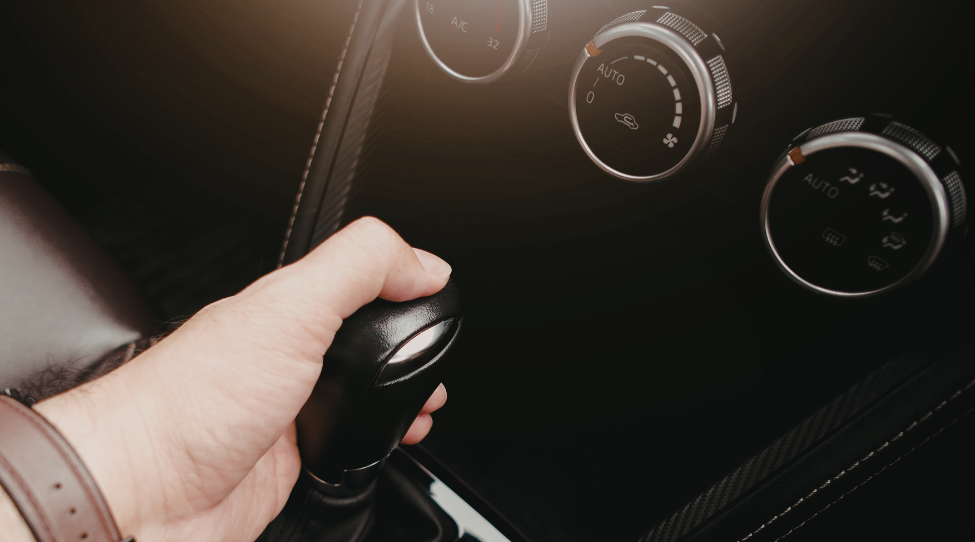
Step-by-Step Guide to Driving Stick Shift: How Manual Stick Shift Driving Lessons Can Really Help Learning to drive a manual transmission opens up new opportunities for automotive enthusiasts and practical drivers alike. Many people struggle with the coordination required for clutch control and gear shifting. Professional manual stick shift driving lessons provide structured learning that accelerates your progress significantly. Why Manual Stick Shift Driving Lessons Make Learning Easier Attempting to teach yourself a stick shift often leads to frustration and potential vehicle damage. Manual stick shift driving lessons offer expert guidance that prevents bad habits from forming. Professional instructors understand the common mistakes beginners make and help you avoid them entirely. Your 1st stick shift driving lesson establishes the foundation for all future progress. Instructors explain how the clutch mechanism works and why proper technique matters. This knowledge helps you understand what’s happening inside the transmission as you learn. Searching for stick shift lessons near me connects you with local instructors who know the best practice locations. They use quiet roads and empty parking lots where you can focus on technique. This reduces anxiety and allows you to learn at a comfortable pace. Understanding the Basics Before Your First Lesson The clutch pedal controls power transfer between the engine and transmission. Pressing it down disconnects the engine from the wheels. Releasing it gradually reconnects power and moves the vehicle forward. The gear shifter selects different gear ratios for various driving speeds. First gear provides maximum power for starting from a complete stop. Higher gears allow efficient cruising at increased speeds. Manual stick shift driving lessons teach you the relationship between clutch engagement and throttle control. These two actions must work together smoothly for successful shifting. Coordinating both pedals takes practice but becomes automatic over time. Step One: Finding the Bite Point Your 1st stick shift driving lesson focuses heavily on clutch control fundamentals. The bite point represents where the clutch begins engaging and transferring power. Feeling this point through the pedal is essential for smooth starts. Instructors teaching stick shift lessons use specific exercises to develop bite point awareness. You practice slowly releasing the clutch until the vehicle starts moving slightly. This repetition builds muscle memory that serves you throughout your driving career. Manual stick shift lessons emphasize patience during this critical learning phase. Rushing through bite point practice leads to stalling and jerky movements. Taking time to master this skill prevents countless problems later. Step Two: Starting From a Complete Stop Starting smoothly requires perfect coordination between clutch release and gas pedal application. Manual stick shift driving lessons break this complex action into manageable steps. You learn each component separately before combining them. Begin with the clutch pedal fully pressed and the shifter in first gear. Slowly release the clutch until you feel the bite point engage. Gently press the gas pedal while continuing to release the clutch smoothly. Stick shift driving lessons provide immediate feedback when your technique needs adjustment. Instructors identify whether you’re releasing the clutch too quickly or applying insufficient throttle. This real-time coaching accelerates your learning dramatically. Step Three: Shifting Between Gears While Moving Upshifting to higher gears follows a consistent pattern throughout your drive. Press the clutch pedal completely while releasing the gas pedal. Move the shifter to the next higher gear and release the clutch smoothly. Your 1st stick shift driving lesson covers the timing required for seamless gear changes. Professional instruction helps you understand when each gear change should occur. This prevents over-revving the engine or lugging it at too-low RPMs. Manual stick shift driving lessons teach you to listen to the engine sound for shift timing. Each vehicle has an optimal shift point that balances power and efficiency. Instructors help you develop this auditory awareness quickly. Step Four: Downshifting and Engine Braking Downshifting requires more precision than upshifting because engine speeds differ between gears. Stick shift lessons near me provide practice on actual roads with varying terrain. This real-world experience builds confidence for everyday driving situations. Match engine speed when downshifting to avoid jerky deceleration. Press the clutch and move to a lower gear. Release the clutch more gradually than when upshifting to ensure smooth engagement. Manual stick shift lessons explain how engine braking extends brake life and improves control. Using lower gears on downhill sections reduces brake wear significantly. This technique becomes particularly valuable in mountainous regions. Step Five: Hill Starts and Advanced Techniques Hill starts to challenge even experienced stick shift drivers, learning proper technique. Stick shift driving lessons dedicate substantial time to mastering this intimidating skill. You learn to use the handbrake method or the quick foot-transition technique. The handbrake method involves engaging the parking brake while stopped on an incline. Release the clutch to the bite point and apply gas. Release the handbrake as the clutch engages fully. Advanced manual stick shift driving lessons cover rev-matching for smoother downshifts. This technique involves blipping the throttle during gear changes. It creates professional-level smoothness that impresses passengers. Finding Quality Stick Shift Lessons Near Me Location matters when selecting an instructor for manual transmission training. Searching for stick shift lessons near me reveals local options with varying experience levels. Read reviews and ask about instructor credentials before committing. Quality stick shift lessons include both parking lot practice and real-world driving scenarios. Instructors should provide a well-maintained manual transmission vehicle for training. This eliminates concerns about damaging your own car while learning. Your 1st stick shift driving lesson should leave you feeling confident about the learning process. Professional instructors create a supportive environment that reduces stress. They celebrate small victories and provide constructive feedback throughout each session. Benefits Beyond Basic Transportation Manual stick shift driving lessons develop mechanical sympathy and vehicle awareness. You become more connected to how your car operates. This deeper understanding makes you a better driver overall. Knowing how to drive a stick shift expands your vehicle options when traveling internationally. Many countries primarily use manual transmissions in rental fleets. Your skills ensure you can drive anywhere

Step-by-Step Guide to Driving Stick Shift: How Manual Stick Shift Driving Lessons Can Really Help Read More »