
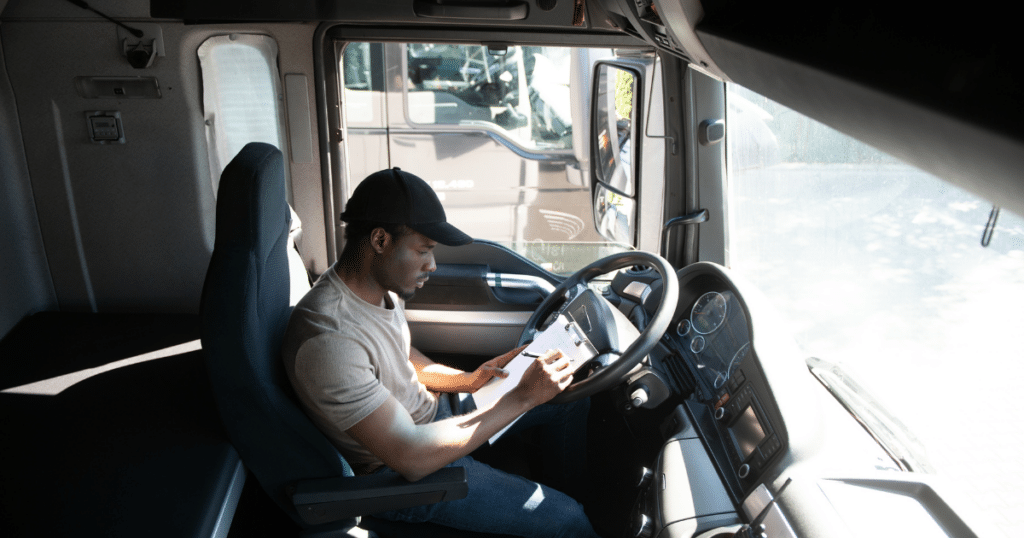
Preparing for your non cdl class C test in Illinois can feel overwhelming. Many drivers underestimate the complexity of this commercial license examination and end up failing their first attempt. Understanding why candidates struggle with the non-CDL Class C exam helps you avoid common pitfalls and pass on your first try.
Understanding the Non-CDL Class C License Requirements
The non cdl class c license serves drivers who operate specific commercial vehicles without needing a full Commercial Driver’s License. This classification covers vehicles designed to transport 16 or more passengers or those carrying hazardous materials in smaller quantities.
Illinois requires applicants to demonstrate comprehensive knowledge of commercial driving regulations. The test differs significantly from standard passenger vehicle examinations. Many drivers fail because they treat the non-CDL Class C license exam like a regular driving test.
Your non cdl class C preparation should include studying Illinois-specific commercial driving laws. Federal regulations also apply to commercial vehicle operation. Understanding both state and federal requirements forms the foundation of test success.
Common Reasons Drivers Fail the Non-CDL Class C Test
Insufficient Study Time
Most test-takers spend only a few hours reviewing materials before their non-CDL Class C exam. Commercial vehicle regulations are extensive and require dedicated study time. Rushing through preparation almost guarantees failure.
The non cdl class c license test covers topics that don’t appear on standard driver exams. Air brake systems and passenger safety protocols require an in-depth understanding. Surface-level studying won’t provide the knowledge needed to pass.
Misunderstanding Vehicle Classification Differences
Many candidates confuse the non cdl class C with a Class C CDL. While both involve commercial vehicles, the requirements and vehicle types differ substantially. A Class C CDL covers larger commercial vehicles and requires more extensive training.
The non-CDL Class C focuses on specific vehicle categories that fall below full CDL thresholds. Understanding these distinctions helps you study the right material. Preparing for the wrong classification wastes valuable study time.
Ignoring the Illinois CDL Manual
The Illinois Secretary of State provides a comprehensive CDL manual that covers all commercial license classifications. Many non cdl class C applicants skip sections they consider irrelevant. This mistake leads to knowledge gaps that show up during testing.
Your non cdl class c license preparation should include a thorough manual review. Even sections that seem unrelated to your specific vehicle type contain important regulatory information. Test questions often pull from unexpected manual sections.
Poor Practice Test Habits
Taking practice tests without reviewing wrong answers creates a false sense of readiness. Many non-CDL Class C candidates repeat the same mistakes across multiple practice exams. Understanding why you missed questions matters more than the number of practice tests you complete.
Quality practice beats quantity every time. Focus on comprehending the reasoning behind correct answers. This approach builds lasting knowledge that applies during your actual non cdl class C examination.
Underestimating Vehicle-Specific Knowledge
The non cdl class c license exam includes detailed questions about vehicle operation and safety systems. Brake systems and emergency procedures require specific technical knowledge. General driving experience doesn’t automatically translate to commercial vehicle expertise.
Passenger safety protocols form a significant portion of the non-CDL Class C test. Questions about loading capacity and emergency evacuation procedures trip up many candidates. These topics require dedicated study beyond basic driving skills.
Proven Strategies to Pass Your Non-CDL Class C Test

Create a Structured Study Schedule
Dedicate at least two weeks to studying for your non cdl class C exam. Break study sessions into focused 30-minute blocks covering specific topics. Consistent daily preparation builds better retention than marathon study sessions.
Review one manual section thoroughly before moving to the next topic. Take notes on key regulations and safety requirements. Your non-CDL Class C preparation improves when you actively engage with the material.
Use Illinois-Specific Study Resources
Generic commercial driving study guides don’t address Illinois-specific regulations. Download the official Illinois CDL manual from the Secretary of State website. This resource contains exactly what you need for your non cdl class c license test.
Focus on sections covering your specific vehicle classification. Pay special attention to passenger transport regulations if that applies to your situation. State-specific knowledge gives you an edge on test day.
Take Strategic Practice Tests
Complete practice exams that mirror the actual non-CDL class C test format. Review every incorrect answer and understand the underlying concept. Return to the manual for clarification on topics where you struggle.
Track your improvement across multiple practice tests. Your non cdl class C readiness increases when you consistently score above 90%. Don’t schedule your official test until practice results show mastery.
Study with Real-World Application
Connect manual concepts to actual vehicle operation scenarios. Visualize yourself performing the procedures described in the study materials. This mental practice reinforces your non-CDL Class C knowledge.
If possible, spend time observing or operating the vehicle type you’ll be licensed for. Hands-on experience combined with book knowledge creates a comprehensive understanding. Real-world context makes test questions easier to answer.
Master Air Brake Systems
Air brake questions appear frequently on the non cdl class C examination. Many candidates struggle with this technical topic. Understanding air brake components and operation is essential for passing.
Study diagrams showing the air brake system layout. Learn the function of each component and how they work together. Your non-CDL Class C test success often hinges on air brake knowledge.
Final Preparation Tips Before Test Day

Review your weakest topics during the final days before your non cdl class c license exam. Get adequate sleep the night before testing. Arrive early to reduce stress and allow time for mental preparation.
Read each question carefully during the actual test. Many non-CDL Class C candidates miss questions by rushing or misreading. Take your time and trust the knowledge you’ve built through proper preparation.
Ready to pass your non cdl class C test on the first try? Start your preparation today using the official Illinois CDL manual and dedicated study schedule. Your commercial driving career begins with proper preparation and commitment to mastering the material.
Need more information? Check out My Drive Academy.
Frequently Asked Questions
Q: How many questions are on the Illinois non-CDL class C test?
The test typically contains 25 to 30 multiple-choice questions, depending on endorsements. You must answer at least 80% correctly to pass. Some sections, like air brakes, require separate passing scores.
Q: Can I take the non-CDL class C test online in Illinois?
No, Illinois requires all commercial license tests to be taken in person at a Secretary of State facility. You must schedule an appointment and bring the required identification documents. Online practice tests help prepare, but aren’t official examinations.
Q: How long should I study for the non cdl class C exam?
Most successful candidates spend 2 to 3 weeks studying the CDL manual and taking practice tests. Daily study sessions of 30 to 60 minutes work better than cramming. Your study time depends on prior knowledge and learning pace.
Q: What’s the difference between a non-CDL Class C and a Class C CDL?
A Class C CDL covers larger commercial vehicles and requires more extensive training and testing. The non-CDL class C applies to specific vehicle types below full CDL thresholds. Both involve commercial vehicles but serve different operational needs.
Q: How much does the non cdl class C test cost in Illinois?
The written knowledge test fee is typically included in your license application cost. Total fees range from $30 to $60, depending on endorsements and license duration. Check the Illinois Secretary of State website for current pricing.